A CMS website is the cornerstone of modern digital presence for organisations in London and across the United Kingdom. As businesses face ever-increasing demands for content agility, compliance, and seamless user experience, the right CMS website development approach can make all the difference. With GDPR, accessibility, and vendor due diligence top of mind, UK buyers need a clear roadmap for CMS projects that balances features, compliance, and cost. This comprehensive guide explains CMS website options, project steps, compliance considerations, and realistic planning ranges for London-based businesses.
What is a CMS Website and Why Do UK Organisations Choose One?
A CMS (Content Management System) website enables non-technical users to create, edit, and manage digital content without deep coding knowledge. For UK businesses, CMS platforms like WordPress, Drupal, and headless solutions offer:
- Streamlined publishing workflows
- Multi-user access and permissions
- Integration with marketing, analytics, and CRM tools
- Easier compliance with GDPR and accessibility standards
Given the pace of digital change in London, a CMS website allows teams to update content quickly, respond to market shifts, and maintain brand consistency across channels. This flexibility is crucial for organisations aiming to stay competitive in sectors like financial services, healthcare, retail, and education, all of which are well-represented in the UK market.
Key Features of Modern CMS Platforms for the UK Market
When selecting a CMS website solution, London buyers typically look for:
- User-friendly editing: Drag-and-drop interfaces and WYSIWYG editors
- Role-based permissions: Control who can publish, edit, or review content
- SEO foundations: Metadata, sitemaps, and schema support
- Accessibility: WCAG 2.1 compliance tools for UK legal standards
- GDPR readiness: Consent management and data privacy features
- Integration options: Connectors for CRM, analytics, and marketing automation
These features ensure your CMS website is future-proof and meets the expectations of UK stakeholders and regulators. For example, a retail business in London might require seamless integration with e-commerce platforms and marketing automation tools, while a healthcare provider will prioritise audit trails and accessibility.
CMS Website Development: Process and Practical Checklist
Launching a successful CMS website in the United Kingdom requires a structured approach. Here’s a practical checklist for CMS website development:
- Define project goals and user personas: Understand your business objectives and target audience.
- Select a CMS platform: Choose between popular options like WordPress, Drupal, or consider a headless CMS for greater flexibility.
- Map content types, workflows, and permissions: Identify the types of content you’ll manage and set up approval processes.
- Design accessible, mobile-responsive templates: Ensure your site looks and works great on all devices and meets UK accessibility standards.
- Develop core features and integrations: Build the essential functionality your business needs, such as contact forms, e-commerce, or booking systems.
- Set up staging and production environments: Test changes safely before going live.
- Conduct GDPR and accessibility reviews: Validate compliance with UK data protection and accessibility laws.
- Train content editors and reviewers: Empower your team to manage content confidently.
- Launch with a phased or staged release plan: Minimise risk by rolling out features in stages.
This process ensures your CMS website is delivered on time, within budget, and ready for ongoing management.
CMS Website Design: Best Practices for UK Businesses
Effective CMS website design goes beyond looks—it’s about usability, accessibility, and conversion. For UK organisations, design best practices include:
- Designing for accessibility (WCAG 2.1 compliance)
- Ensuring mobile responsiveness for all devices
- Using clear navigation and logical content structure
- Integrating brand guidelines for consistency
- Providing easy-to-use content editing interfaces
A well-designed CMS website supports your marketing goals and delivers a positive experience for all users, including those with disabilities. For example, a professional services firm in London may prioritise a clean, trustworthy design with easy access to case studies and contact forms, while a media or hospitality business may focus on rich visuals and booking integrations.
Best CMS for Business in the UK: How to Choose
Selecting the best CMS for business UK depends on your organisation’s size, industry, and digital maturity. Popular options include:
- WordPress: Widely used for its flexibility, large plugin ecosystem, and ease of use. Suitable for marketing sites, blogs, and small e-commerce.
- Drupal: Known for scalability, security, and complex content structures. Favoured by public sector, education, and large enterprises.
- Headless CMS (e.g., Contentful, Strapi): Offers API-driven content delivery for omnichannel experiences. Ideal for organisations needing content across web, mobile, and IoT.
When evaluating CMS options, consider:
- Integration needs (CRM, analytics, e-commerce)
- Scalability and future growth
- Support for multilingual content
- Community and vendor support in the UK
A discovery phase with your CMS website development partner will help match your requirements to the right platform.
Example CMS Website Project Shapes and Budget Ballparks
UK buyers expect transparency around scope, currency, and delivery. Here are typical CMS website project shapes for London organisations:
- Marketing website (brochure/service site):
- Scope: Design system, 8–15 pages, CMS, basic SEO, forms - Ballpark: USD 4,000–12,000 (scoped in GBP/USD; final quote after discovery) - Timeline: 4–8 weeks
- Custom web application/portal:
- Scope: Auth, roles, dashboards, integrations, staging + production - Ballpark: USD 15,000–60,000+ - Timeline: 8–20 weeks
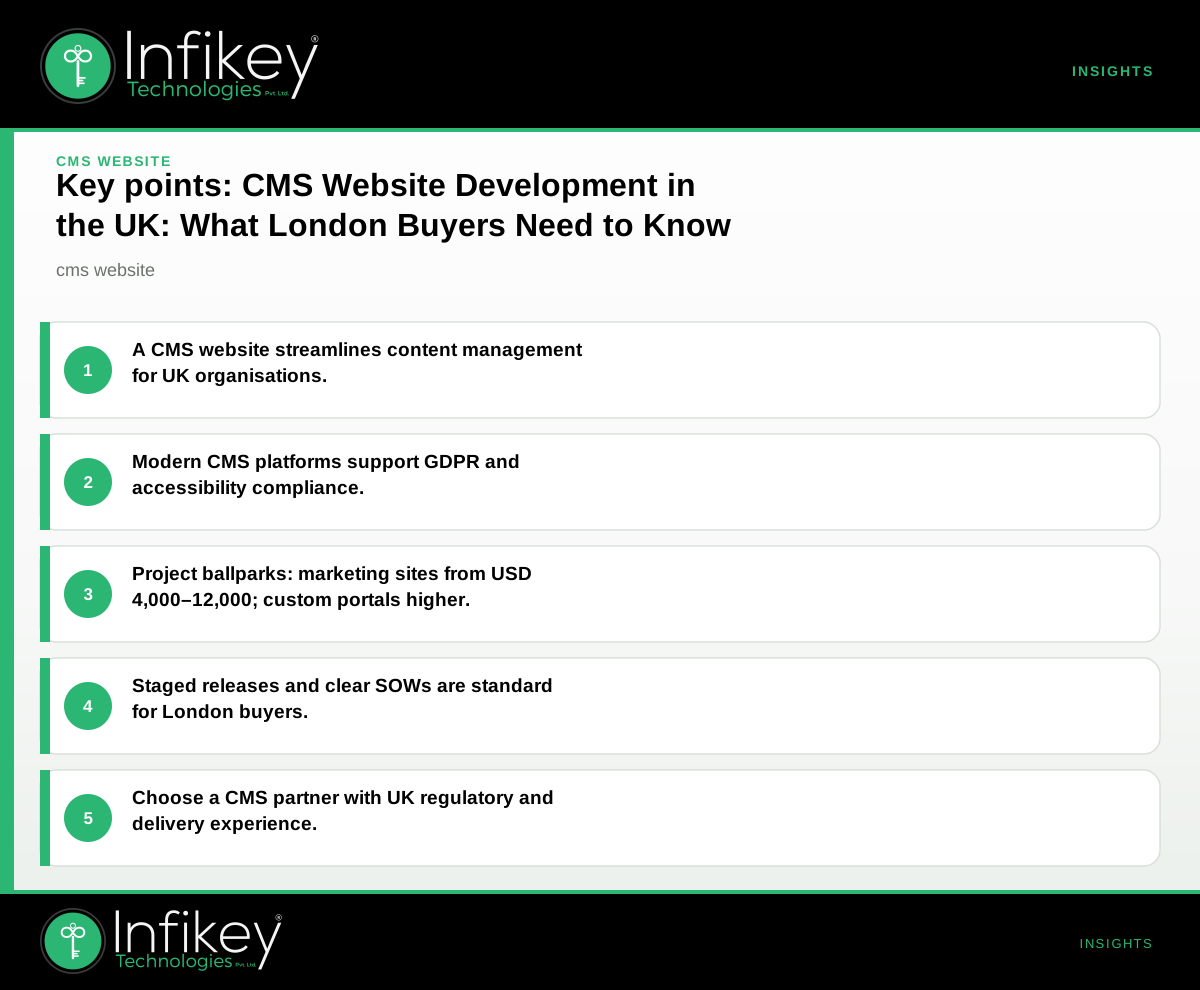
All project ranges are for planning purposes—final commercials are confirmed after a discovery phase. Infikey delivers staged releases and clear SOWs, supporting due diligence and procurement processes typical in the UK. For example, a mid-market retailer may need a new catalogue site with custom integrations, while a healthcare provider might require a secure portal with advanced permissions and audit trails.
CMS Website Cost UK: What Influences Your Budget?
The cms website cost UK can vary significantly based on several factors:
- Project scope (number of pages, custom features, integrations)
- Choice of CMS platform (open-source vs. enterprise)
- Design complexity and accessibility requirements
- Ongoing support and training needs
- Compliance and security features (GDPR, WCAG)
For a typical marketing website, expect a ballpark of USD 4,000–12,000. Custom portals or applications can range from USD 15,000–60,000+, depending on complexity. Always confirm final scope and commercials after a discovery phase with your chosen partner.
How CMS Websites Support GDPR and Accessibility Compliance
For London-based organisations, compliance is non-negotiable. A robust gdpr compliant cms helps by:
- Enforcing role-based content approval
- Providing audit trails for content changes
- Supporting cookie consent and data privacy controls
- Enabling accessible templates and ARIA labels
Infikey follows UK best practices for GDPR and WCAG 2.1, ensuring your website meets legal and user expectations from launch. This is especially important for sectors like financial services, healthcare, and public sector, where data privacy and accessibility are strictly regulated.
Why Work with Infikey for CMS Website Development in London?
Vendor due diligence is critical in the UK market. When evaluating a cms website development partner, look for:
- Transparent SOWs and staged delivery plans
- Experience with UK regulatory and accessibility standards
- Ability to scope in GBP/USD and provide clear documentation
- Ongoing support and training for your team
Website development with Infikey means working with a team that understands London’s procurement norms and delivers with clarity. Our services span website development, mobile app development, software engineering, cloud and infrastructure, cybersecurity, AI, digital transformation, managed engineering, digital marketing and SEO, and graphics designing. Infikey supports a range of industries, including financial services, healthcare, retail, manufacturing, education, and more.
Internal Links for Further Reading
- Learn more about Website development
- Explore Digital marketing and SEO for CMS sites
- Contact Infikey to discuss your CMS website project
Conclusion: Plan Your CMS Website with Confidence
A well-planned CMS website is a strategic asset for UK organisations—supporting content agility, compliance, and growth. For a tailored proposal and clear project scope, talk to Infikey’s London team or explore our Website development service.